Winter Bird Feeding Tips for Urban Naturalists
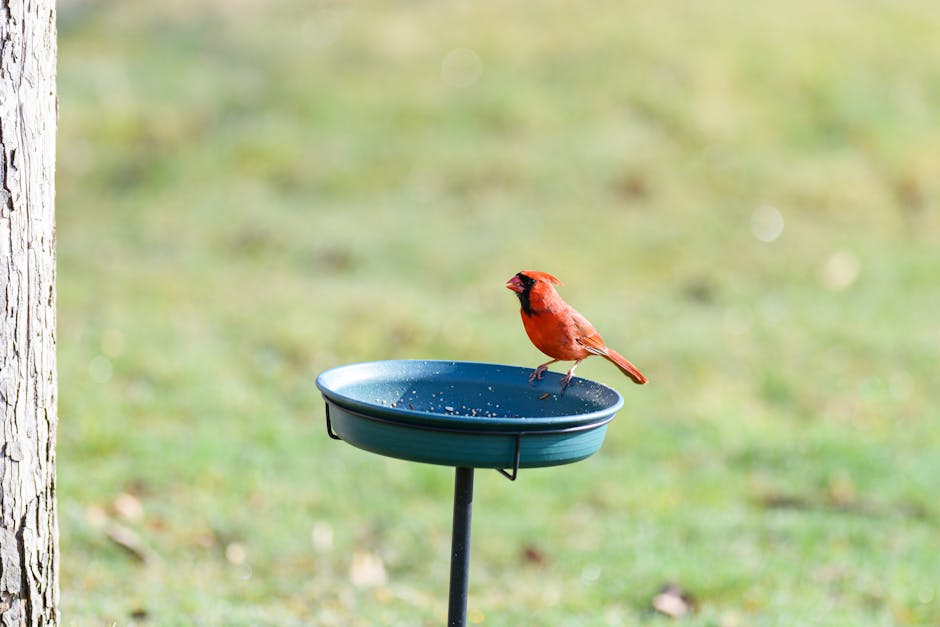
For urban naturalists, the arrival of winter brings an opportunity to observe how resident birds adapt to colder conditions. While natural food sources diminish, thoughtful provisioning can support their energy needs during this demanding season. The focus of winter bird feeding is not merely to attract birds, but to offer resources that complement their natural foraging. Three key elements often come into consideration: high-energy suet, nutritious sunflower seeds, and a reliable source of liquid water such as a heated birdbath.
Understanding what to provide and how to present it in a safe, accessible manner helps create a supportive environment for species like chickadees, nuthatches, cardinals, and woodpeckers. This article explores practical approaches to winter bird feeding for those who observe birds in urban and suburban settings. The aim is to describe methods, materials, and considerations that can make a difference for local bird populations without overpromising specific outcomes.
Each decision—from the type of feeder to its placement—can influence how effectively birds utilize the offerings. By focusing on transparency and methodology, urban naturalists can develop a feeding strategy that respects the birds’ natural behaviors and the surrounding ecosystem.
Understanding Winter Bird Nutrition
Birds that remain in colder regions during winter require substantial energy to maintain their body temperature and sustain daily activities. Their metabolic rate increases significantly as temperatures drop, making high-calorie foods especially valuable. In natural settings, birds rely on seeds from dried plants, dormant insects, and leftover berries. When these resources become scarce, supplemental feeding can help bridge the gap.
Fats and oils provide concentrated energy. Suet—rendered beef fat mixed with seeds, nuts, or fruit—is a traditional winter food that many bird species readily consume. Black oil sunflower seeds are another excellent choice because they have a high oil content relative to their shell, offering more calories per seed than striped sunflower seeds. Providing a mix of these foods allows birds to choose based on their specific nutritional needs.
It is useful to consider that not all birds will visit feeders. Some prefer to forage on the ground or in shrubs. Offering a variety of food types and feeder styles can accommodate different feeding behaviors. Over time, consistent availability may encourage birds to return regularly, though individual habits vary widely.
Choosing and Using Suet Feeders
Suet feeders come in several designs, including cage-style holders, log feeders with drilled holes, and mesh bags. The cage design is common because it allows birds to cling while pecking at the suet block. For woodpeckers, nuthatches, and chickadees, this style works well. Placing suet feeders near tree trunks or on sturdy poles can make them feel more secure.
Spoilage is a concern even in cold weather. Suet can become rancid if exposed to warm temperatures or direct sunlight for extended periods. During winter, temperatures often remain low enough that suet stays fresh for several days. Nonetheless, it helps to check the condition regularly and replace any suet that shows signs of melting, discoloration, or mold. Some commercially available suet products are formulated to resist melting in warmer weather, but in winter, standard suet performs adequately.
Another consideration is the presence of squirrels and larger birds that might dominate the feeder. Positioning the suet feeder away from locations where squirrels can easily jump onto it, or using a feeder with a protective cage, can reduce unwanted activity. Urban naturalists may also consider offering suet in smaller amounts to minimize waste and maintain freshness.
The Role of Sunflower Seeds
Black oil sunflower seeds are widely regarded as a staple for winter bird feeding. Their thin shells make them easy for small birds to crack open, and the high oil content provides essential energy. Many species, including finches, sparrows, cardinals, and jays, show a strong preference for these seeds. Striped sunflower seeds have thicker shells and are more often taken by larger birds.
Feeder types for sunflower seeds include tube feeders with perches, hopper feeders, and platform feeders. Tube feeders with small ports can help reduce seed waste and limit access to larger birds and squirrels. However, tube feeders may require more frequent cleaning to prevent mold and disease transmission. Hopper feeders hold a larger quantity and protect seeds from rain and snow, but they often attract more squirrels.
Regardless of feeder design, seed quality matters. Seeds that are old or stored in damp conditions may spoil quickly. Buying fresh seeds from a reliable source and storing them in a cool, dry place helps maintain their nutritional value. Urban naturalists might also consider offering seeds in moderation, adjusting the amount based on how quickly the birds consume them. This practice can reduce waste and discourage rodents.
Providing Reliable Water Sources
Water is as critical as food during winter, but it often receives less attention. Natural water sources such as ponds and streams freeze over, leaving birds with limited options. Heated birdbaths provide a consistent supply of liquid water. These birdbaths have built-in heating elements that prevent the water from freezing, typically operating at a low wattage to be energy efficient.
When selecting a heated birdbath, safety features such as thermostatic control and grounded cords are important considerations. The birdbath should be placed on a stable, level surface and positioned away from areas where ice might form on the ground. Some models are designed to be used year-round, with the heating element only activating when temperatures approach freezing.
Maintenance of a heated birdbath involves regular cleaning to remove debris and prevent algae growth. Even in winter, stagnant water can harbor bacteria. Changing the water every few days and scrubbing the basin with a mild bleach solution (then rinsing thoroughly) helps maintain water quality. It is also advisable to check the cord and connections for damage, especially after snow or ice accumulation.
Feeder Placement and Safety Considerations
Where feeders and water sources are placed significantly affects bird safety and feeder usage. Windows pose a major risk; birds may collide with glass when startled or when flying toward a feeder that is too close. Placing feeders either very close to windows (within three feet) or far away (more than 30 feet) can reduce collision risk. Decals or screens on windows may also help.
The presence of predators, particularly domestic cats, is another concern. Feeders should be positioned at a distance from shrubs or fence lines where cats might hide. Ideally, feeders are placed at least ten feet from dense cover, giving birds a clear view of approaching danger. Similarly, squirrel baffles and feeder poles with guards can discourage climbers and jumpers.
Urban naturalists may also need to consider the impact of wind and snow on feeder stability. Securing feeders to sturdy poles or hanging them from strong branches can prevent tipping. Cleaning feeders regularly—about once every two weeks—helps prevent the spread of diseases like salmonellosis. A simple solution of one part vinegar to nine parts water can be used for cleaning, followed by thorough drying before refilling.
Seasonal Adjustments and Observation
Winter feeding is not a static activity. As the season progresses, bird behavior and food preferences may shift. Early winter often sees a mix of species, while deeper cold may bring more consistent visits from a core group. Urban naturalists can benefit from keeping simple notes on which foods are consumed most quickly and when feeding activity peaks. This observation helps refine offerings without making assumptions.
Mild spells during winter might reduce the urgency for supplemental feeding, while brutal cold snaps increase demand. Adjusting the quantity of food offered—perhaps reducing it during mild weather and increasing it during extreme cold—can align more closely with the birds’ needs. It is also worth noting that some birds rely heavily on feeders only during certain periods, and others may continue to find natural food sources despite the conditions.
Ultimately, winter bird feeding is an act of observation and care. By focusing on the process rather than expecting specific results, urban naturalists can create a supportive environment that benefits both the birds and the human experience of connecting with nature. Wild Trails, as a brand associated with outdoor exploration, encourages a thoughtful approach to wildlife interactions, emphasizing respect for natural cycles and the well-being of the animals that share urban spaces.