Native Wildflowers That Attract Pollinators to Your Garden
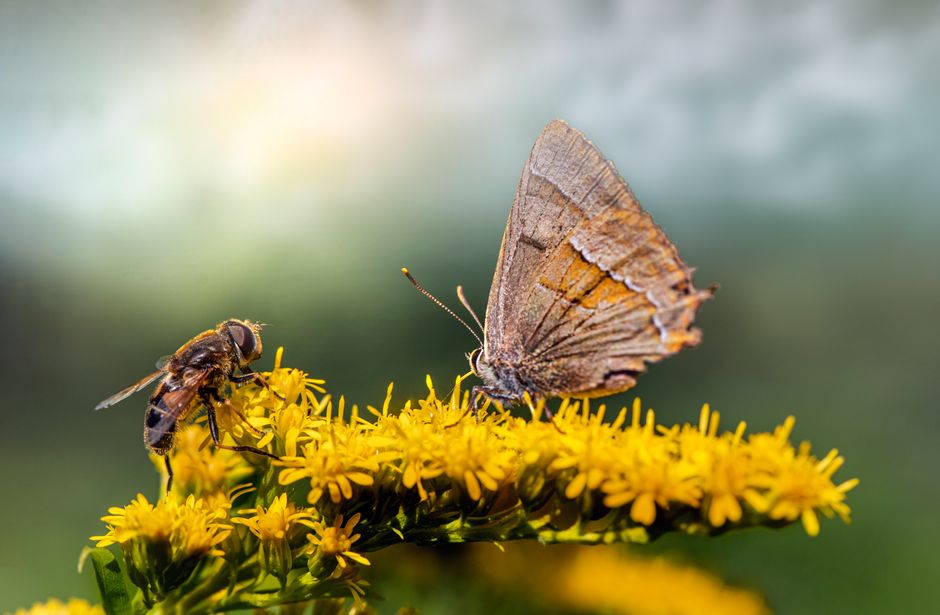
Gardens that include native wildflowers can play a meaningful role in supporting local ecosystems. Many species of bees, butterflies, and other beneficial insects rely on the nectar, pollen, and shelter provided by plants that have evolved alongside them. When selecting plants for a garden, choosing native species such as milkweed, coneflower, goldenrod, and aster can contribute to the availability of resources that pollinators need throughout the growing season.
These wildflowers are adapted to regional climates and soil conditions, which often means they require less water and maintenance than non-native ornamental plants. More importantly, they have co-evolved with local pollinators, creating relationships that are mutually beneficial. A garden that incorporates a variety of native bloomers can offer a continuous supply of food from early spring through late fall, supporting the life cycles of different insect species.
Understanding how each plant functions within the broader ecosystem helps gardeners make informed decisions about layout, spacing, and bloom timing. The following sections explore four native wildflowers and their roles in pollinator habitats, along with considerations for incorporating them into a garden setting.
The Role of Native Wildflowers in Pollinator Habitats
Pollinators such as honeybees, bumblebees, solitary bees, butterflies, moths, and hoverflies require two primary resources from flowering plants: nectar for energy and pollen for protein. Native wildflowers often provide these resources in forms that local insects can efficiently access. For example, the tubular flowers of certain milkweed species are well-suited for the long proboscis of monarch butterflies, while the flat, daisy-like blooms of coneflower offer easy landing platforms for a wide range of bee species.
Beyond food, native wildflowers also contribute to nesting and overwintering habitat. Many bees nest in the ground or in hollow stems, and leaving dead plant material over winter can provide shelter. The structural diversity of wildflowers—varying heights, leaf shapes, and bloom architectures—creates microhabitats that different insects can utilize. Additionally, native plants often host specific caterpillar host species, which are essential for butterfly reproduction. Monarchs, for instance, require milkweed as the only food source for their larvae.
A garden designed with these plants can function as a small-scale refuge within a landscape that may otherwise lack suitable pollinator resources. The presence of diverse wildflowers also supports a web of interactions, including predatory insects that help manage pest populations naturally. This approach focuses on providing conditions that allow natural processes to occur, rather than attempting to control outcomes directly.
Milkweed: A Key Resource for Monarch Butterflies
Milkweed (Asclepias species) is perhaps best known for its essential relationship with monarch butterflies. Adult monarchs feed on the nectar of milkweed flowers, and they lay their eggs exclusively on milkweed leaves. The caterpillars that hatch consume the foliage and absorb cardiac glycosides, which make them toxic to predators. This chemical defense benefits both the larvae and the adult butterflies, but it is entirely dependent on the availability of milkweed plants.
Several milkweed species are native to the United States, including common milkweed (Asclepias syriaca), swamp milkweed (Asclepias incarnata), and butterfly weed (Asclepias tuberosa). Each has slightly different growing requirements. Common milkweed thrives in full sun and well-drained soil but can spread aggressively through rhizomes, making it suitable for larger areas or meadow settings. Swamp milkweed prefers moist soil and is ideal for rain gardens or areas near water features. Butterfly weed, with its bright orange blooms, adapts well to drier, sandy soils and is less likely to spread.
When incorporating milkweed into a garden, it is important to avoid using pesticides, as these can harm caterpillars and adult butterflies. Monarch populations have declined in recent decades due to habitat loss and the widespread use of herbicides. Planting milkweed in clusters rather than single specimens can make it easier for monarchs to locate. Gardeners may also choose to plant multiple species to extend the blooming period and provide nectar for other pollinators throughout the summer.
Coneflower: A Nectar Source for Bees and Butterflies
Coneflower, particularly the purple coneflower (Echinacea purpurea), is a versatile native wildflower found across much of the eastern and central United States. Its large, daisy-like blooms feature a prominent central cone composed of tiny florets that produce both nectar and pollen. Bees, especially bumblebees and leafcutter bees, often visit coneflowers, as do many butterfly species such as swallowtails and fritillaries.
The structure of coneflower blooms allows for efficient foraging. The petals surrounding the cone act as landing guides, while the cone itself provides a stable platform. Nectar is accessible to insects with short to medium-length mouthparts. Additionally, the seeds that develop after flowering are consumed by birds like goldfinches, adding another layer of ecological value. Leaving the seed heads intact through winter supports these birds and also provides visual interest in the garden.
Coneflower is drought-tolerant once established and thrives in full sun to partial shade. It can be planted in borders, meadows, or naturalized areas. Deadheading spent flowers can encourage additional blooms, but leaving some flowers to go to seed benefits wildlife. Because coneflower has a long blooming period from mid-summer into early fall, it helps fill a gap when other early-season flowers may have faded. Its adaptability and ease of growth make it a common choice for pollinator-friendly gardens across many regions.
Goldenrod: Late-Season Support for Pollinators
Goldenrod (Solidago species) is often mistakenly blamed for hay fever, but its pollen is heavy and sticky, carried by insects rather than wind. The true culprit for late-summer allergies is ragweed, which blooms at the same time. Goldenrod, on the other hand, is one of the most valuable late-season nectar sources for pollinators. As many spring and summer flowers begin to decline, goldenrod produces clusters of bright yellow blooms that attract bees, butterflies, beetles, and other insects preparing for winter or migration.
Various goldenrod species are native to different parts of the United States, from the showy goldenrod (Solidago nemoralis) of dry prairies to the seaside goldenrod (Solidago sempervirens) found along coastal areas. Most prefer full sun and can tolerate a range of soil types. Some species spread readily through underground rhizomes, so choosing clumping varieties or planting in contained areas may be advisable in smaller gardens. Goldenrod also serves as a host plant for several moth species, including the goldenrod gall fly and the stunning io moth.
Including goldenrod in a garden extends the availability of floral resources into September and October. This timing is particularly important for bumblebee queens that need to build up fat reserves before hibernation, as well as for monarchs during their fall migration. Gardeners can pair goldenrod with asters, which bloom in a similar period, to create a robust late-season pollinator habitat. The combination of yellow and purple flowers can also create striking visual contrast.
Aster: Extending the Blooming Season
Asters (Symphyotrichum species) are among the last native wildflowers to bloom in many regions, often providing critical resources in late summer and autumn when other plants have stopped flowering. Their star-shaped blooms come in shades of purple, blue, pink, and white, and are rich in both nectar and pollen. Bees, including honeybees and native bumblebees, are frequent visitors, as are migrating monarch butterflies that rely on asters to fuel their journey south.
Like goldenrod, asters are host plants for certain butterfly and moth caterpillars, including the pearl crescent and the American lady. The dense foliage of aster plants also provides shelter for insects and small animals. Many aster species are adaptable to various soil conditions, though they generally prefer well-drained soil and full sun. New England aster (Symphyotrichum novae-angliae) is a tall, robust variety that can reach four to six feet, while calico aster (Symphyotrichum lateriflorum) stays more compact and works well in smaller spaces.
Planting a mix of early-, mid-, and late-season bloomers ensures that pollinators have access to food throughout their active periods. Asters fill the late-season role effectively, and their long bloom time means they often overlap with goldenrod. This overlap can create a sustained resource pulse that benefits insects preparing for winter. Gardeners can also leave aster stems standing through the winter to provide seed for birds and hibernation sites for beneficial insects, cutting them back only in early spring.